What Happens to Your Junk After Pickup? Recycling, Donations & Disposal Explained
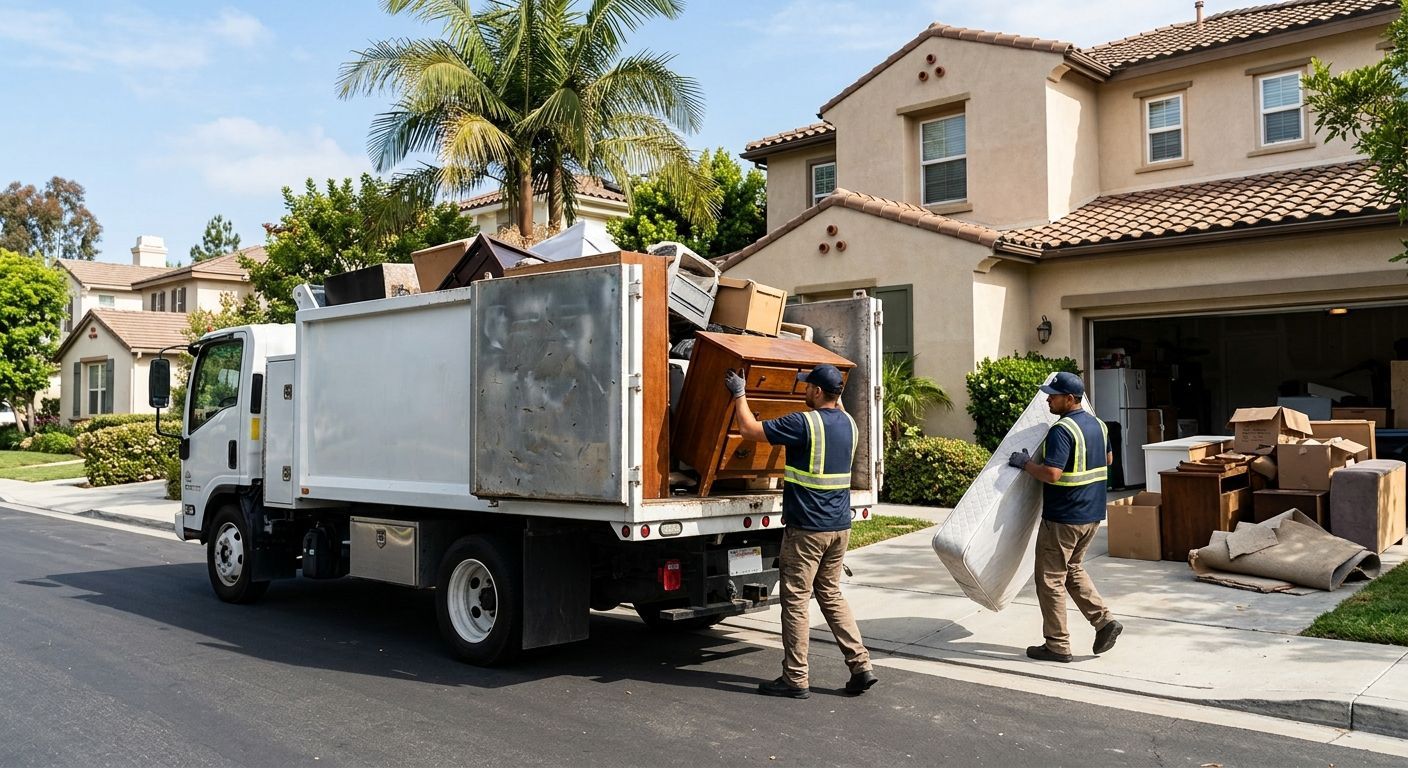
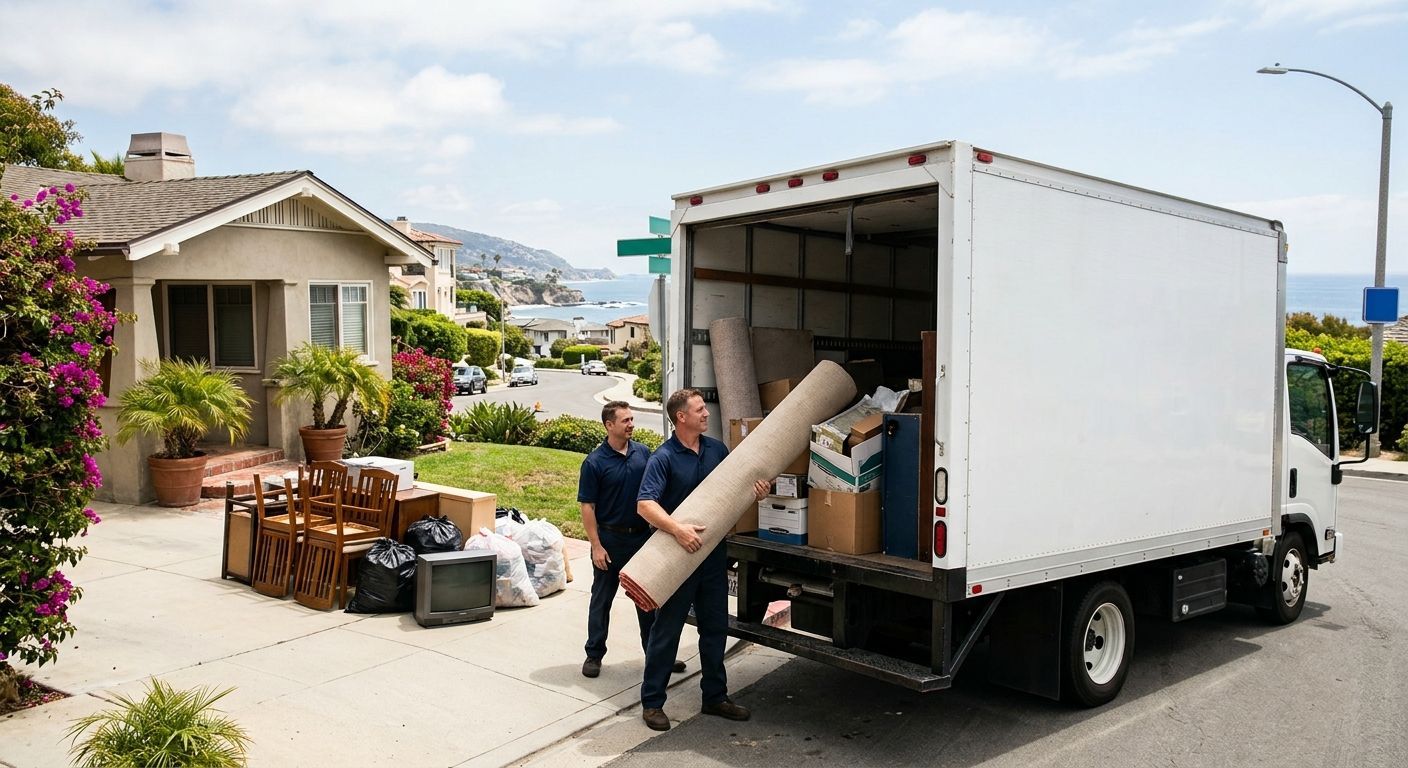
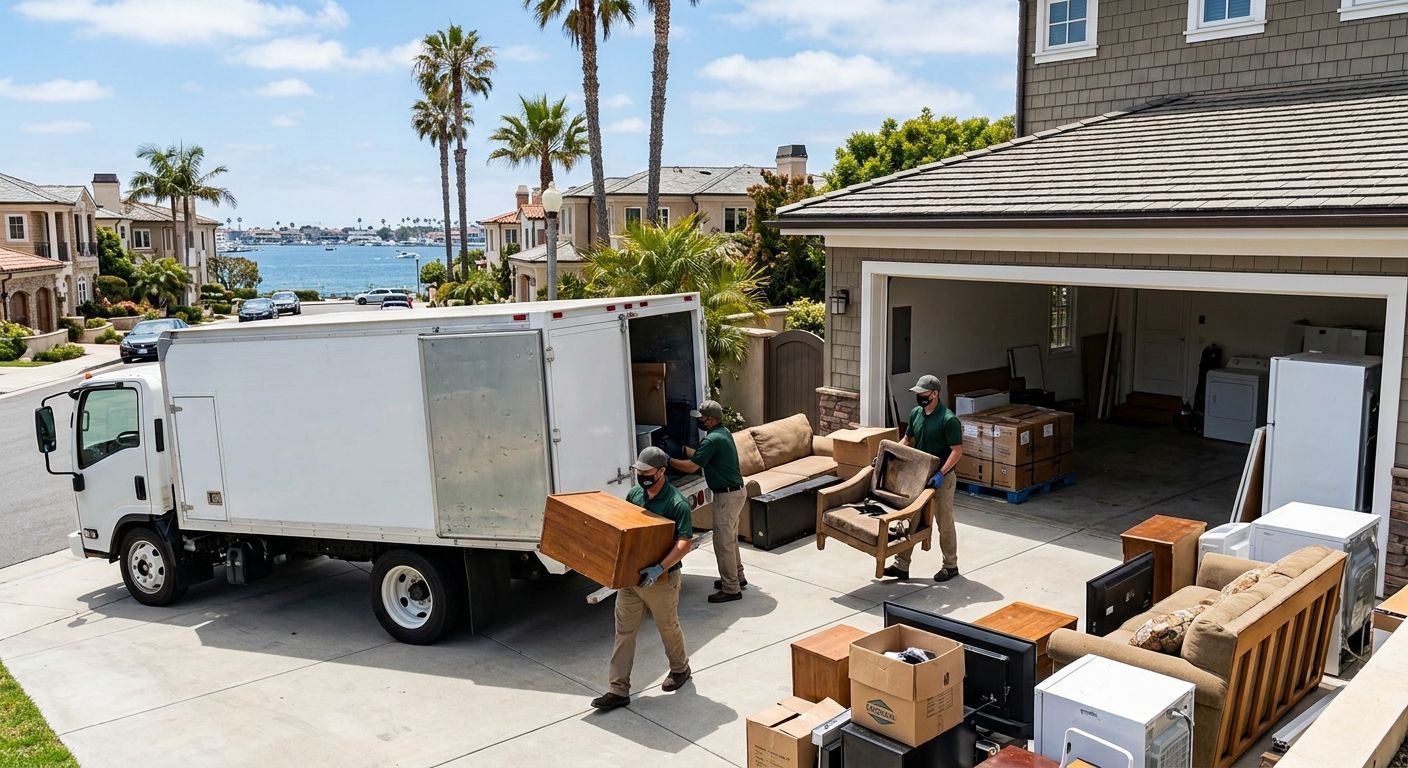
The majority of the items that are removed from your driveway are not going to the landfill. A good company for junk pickup will unload the items at a transfer station and also take away anything that can be recycled, donated or resold before any items remain for disposal. It's one step of sorting that makes all the difference between a trash-collecting company and a resource company.
Homeowners rarely ask this question until after the truck is already gone which is a little backwards, honestly. The destination of your stuff says more about junk removal services and their actual practices than almost anything on their website. A crew that separates metal from mattresses from moldy drywall on-site is operating differently than one that just tosses everything into a single compacted load.
This matters more in some categories than others. Electronics, appliances, and construction debris are regulated in ways that a broken lamp isn't a hauler that's cutting corners on those items isn't just being lazy, they're potentially breaking local disposal rules. According to industry waste-diversion data compiled by solid waste associations, [link to source verified URL to be added], residential junk loads that go through a proper sort-and-divert process keep a meaningfully higher share of material out of landfills than loads that go straight to disposal.
The rest of this guide walks through where items actually go, how the sorting decisions get made, what you can expect from a properly run junk removal service process, and the mistakes that quietly undercut a homeowner's recycling and donation goals.
Where Your Junk Actually Goes After the Truck Pulls Away
Very little waste is directly sent to a landfill. Typically, it goes through a transfer or sorting center first, and their crews categorize the load into four general groups: recyclables, donation eligible goods, items requiring special handling, and true waste.
A
full-service junk removal company will usually provide better rates than a dumpster rental, in which all of the junk is weighed together and dumped in the dumpster. Part of the reason is that scrap metal is recyclable and often gets removed and sold to a metal recycling company instead of being put into the landfill.
Donation-eligible items are the second sort. Furniture in usable condition, working small appliances, and household goods in good shape typically get routed to a donation partner before disposal is even considered. This is [link to source verified URL to be added] for donation guidelines, which most reputable local nonprofits publish and update seasonally based on what they can actually resell. Donation requirements vary by organization, so homeowners can check Goodwill's donation guidelines before setting aside furniture or household items.
Inside the Sorting Process: How Junk Removal Companies Dispose of Items
For most junk removal services, the sort happens fast, usually within a day or two of pickup because holding onto mixed loads costs a facility money in storage space. Workers are taught to identify the type of mattress, whether it be a sleeping pad or a sofa, and the direction in which the microwave travels, or even the direction in which drywall and insulation move, since it's usually not considered trash.
Here's how that typically breaks down by material type:
| Item Category | Typical Destination | Why |
|---|---|---|
| Furniture (usable condition) | Donation center | Resaleable, keeps landfill volume down |
| Scrap metal & appliances | Metal recycler | Recoverable material has resale value |
| Cardboard, clean wood, some plastics | Recycling facility | Standard municipal recycling stream |
| Electronics (TVs, computers) | E-waste specialist | Contains regulated components (lead, mercury) |
| Mattresses | Mattress recycling program (where available) | Foam and steel coils can be separated |
| Construction debris (drywall, tile) | C&D landfill or specialty processor | Doesn't qualify for standard recycling |
| Hazardous items (paint, batteries) | Household hazardous waste facility | Requires regulated handling, not curbside |
What Can Be Recycled vs. What Gets Donated
The line between these two categories comes down to one question: does the item still function, or is it just made of useful material?
Furniture, working electronics, and household goods with life left in them are prime candidates for donation what items can be donated instead of thrown away usually includes anything a thrift store or shelter could put back into use without repair. A dresser with a scuffed top still sells. A dresser with a broken frame doesn't; that one gets recycled for its wood and hardware instead.
What items can be recycled after junk removal tends to be the material that's past reuse but not past processing scrap metal, clean cardboard, glass, and certain plastics fall here. Appliances are a middle case: a working refrigerator can sometimes be donated, but most end up at a metal recycler once the refrigerant is properly evacuated, which by federal rule has to happen before the unit is scrapped. For more information on responsible electronics recycling, see the EPA's Electronics Donation and Recycling guidance .
Rules and Standards Behind Responsible Disposal
Reliable junk removal services don't see garbage collection as some kind of free-for-all, even in a task as benign-sounding as moving out the junk from the garage. Most states add additional regulations to the EPA's national requirements for electronics and appliance disposal, and for construction waste and household hazardous waste. If you're not saving money, you're passing on the liability of a fine to someone else and that may be the homeowner.
In the area, municipal solid waste companies usually require documentation for larger construction loads and the documentation is kept on file by the legitimate hauler. Along with asking about the specific services provided, it is logical to inquire about the timeline involved in the entire job before signing up for the service, particularly if it is not about picking up furniture but about a complete renovation cleanout.
Junk Disposal Process Explained | Step by Step
Initial assessment
The crew walks the space (or reviews photos for a phone quote) and flags anything requiring special handling: electronics, mattresses, hazardous materials.
Load and separate
Items go into the truck already loosely sorted where possible, rather than thrown in as one mixed pile.
Transport to the sorting facility
The load is weighed and staged for processing, usually within 24 to 48 hours of pickup.
Category sort
Recyclables, donation candidates, and true waste are physically separated by trained staff.
Donation drop-off
Usable furniture and goods are delivered to a partner nonprofit, sometimes the same day.
Recycling processing
Metal, cardboard, and eligible plastics go to their respective recycling streams.
Final disposal
Only what's genuinely unusable and can't be recycled or donated goes to the landfill.
Common Mistakes Homeowners Make When Choosing a Hauler
The biggest mistake is assuming all
junk removal services operate the same way. Some companies run everything straight to a landfill because it's faster and cheaper for them, even if their marketing mentions recycling.
There's no easy way to verify this from the outside except by asking specific questions: where does furniture go, do you separate electronics, do you have a donation partner, and paying attention to how confidently they answer.
Another frequent error is not mentioning hazardous items during booking. Paint, batteries, propane tanks, and old chemicals need separate handling, and surprising a crew with these on pickup day can mean a job gets rescheduled or partially completed. Flagging them upfront avoids that entirely.
Homeowners also underestimate how much of what they're throwing away could be donated. A stained mattress isn't donation-eligible, but a lot of functional furniture gets landfilled simply because nobody asked whether it could go somewhere else first.
What to Weigh Before You Book a Pickup
Diversion practices
Understanding the junk removal cost factors guide can also help homeowners know what influences pricing, including the type of items being removed, labor involved, disposal requirements, and whether materials need special handling.
Item restrictions
Confirm whether hazardous materials, tires, or large appliances are included, since many haulers handle these separately or not at all.
Donation partnerships
Companies with established relationships to local nonprofits can move usable furniture and goods into reuse faster than those without a partner lined up.
Documentation for larger jobs
For renovation or construction debris, ask whether the company provides disposal records useful if the job is tied to a permit or property transaction.
Timing
Sorting and donation drop-off take time; a same-day "everything gone" promise sometimes means everything went to one place, not several.
Questions Homeowners Ask About Junk Removal and Where Things End Up
People usually land on this topic after a big cleanout of an estate, a move, or a renovation and start wondering what junk removal services actually did with everything. A few questions come up more than others.
What happens to your junk after pickup?
At a facility, waste is separated to be recycled, donated or thrown into the trash, with only the latter being sent to landfills. The actual split will vary depending on the contents of the load and the hauler's process.
Where does junk go after removal, specifically for furniture?
Usually, furniture that's in good condition for resale is donated to a partner or the community, and furniture that is broken or worn is broken down for reusables such as wood and metal hardware.
What is the difference between eco-friendly junk removal and regular junk removal?
Yes, eco-friendly junk removal is a process that sorts and diverts material instead of sending it to the landfill and typically has a documented donation and recycling process, not a verbal one.
How does junk removal support recycling and donation in a practical sense?
This is how junk removal helps with recyclers and non-profits on a large scale, unless individual homeowners have the time and means to make those drop-offs themselves.
Is the sorting process added to the cost of full-service junk removal?
Not necessarily. Full-service junk removal may cover labor, haul, and sorting waste for one price, and the sorting component can actually help cover some of the cost of junk removal, as materials that can be recycled and donated will help reduce landfill fees.
The Bottom Line for Homeowners Weighing Their Options
The real question isn't whether junk removal services can haul your stuff away; almost any of them can. Whether they consider it a sorting problem or a dumping problem. A hauler that has an actual donation partner, has a documented recycling process, and has employees on the team that know how to mark hazardous items is doing different work than a hauler that quotes a flat rate and lets everything go to a truckload. If you ask a couple of simple questions ahead of time, you'll know who you are hiring.
Get Full-Service, Eco-Conscious Junk Removal Handled Right
When it comes to residential and light construction junk removal, Planet Haulers Junk Removal sorts through the items, donates usable furniture to charities, and recycles items to facilities before they end up at a landfill. Call the team at Planet Haulers Junk Removal at 949-386-9808 or send an email to office@planethaulers.com to talk about your donations and special requests, and the team will explain what is donatable, what requires special attention and what the pick-up would actually entail before a truck arrives.
Sources
- U.S. Environmental Protection Agency (EPA)
—
Appliance Disposal
Provides official guidance on appliance disposal, refrigerant recovery, and proper handling of refrigerators, freezers, and air conditioners. - OC Waste & Recycling
—
Construction & Demolition Program
Explains Orange County requirements for construction and demolition debris diversion, recycling, reuse, and disposal. - Goodwill Industries International
—
Guides commonly accepted donations such as furniture, household goods, electronics, clothing, and other reusable items.
You might also like