How to Prepare for a Junk Removal Appointment Without the Stress
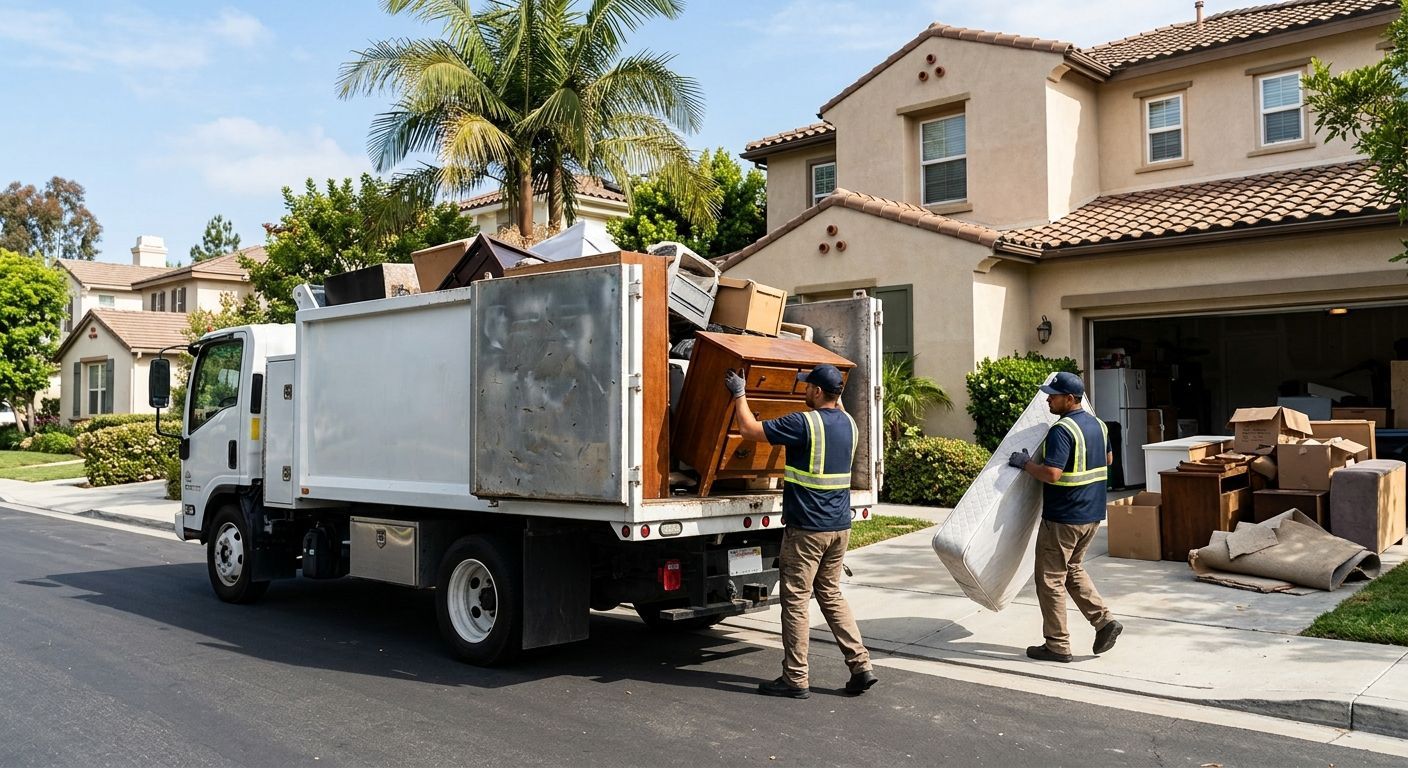
When it comes to preparation for junk removal, there are really only three things to remember: Sort the junk and the items that will stay in the house, set up a path to the truck, and label anything rare, old paint, chest freezer, or propane tank before the men arrive. In under an hour, a two person band can generally clean a garage or room with those three steps. Skip them, and the same job can stretch into a second trip.
Most of the stress people feel before booking
junk removal services is not about the junk itself. It's about not knowing what the crew will and will not take, whether they need to move furniture themselves, or whether that old recliner has to go to the curb first. None of that is complicated once you know how a residential job actually runs. This guide walks through what to sort, what to set aside, what happens once the truck pulls up, and the mistakes that turn a routine appointment into a longer one.
What to Do Before Junk Removal Arrives: The Access Factor Most People Miss
The single biggest factor in how long an appointment takes is not volume it is access. A garage packed floor to ceiling with boxes but reachable in one trip from the driveway will move faster than a half-empty back bedroom on the third floor of a walk-up. According to the EPA, certain household products such as old paint, pesticides, pool chemicals and motor oil are classified as household hazardous waste and can't legally go into a standard load or a landfill bin at all, which means they need to be identified and separated before junk removal services arrive, not discovered mid-load.
This is also where
residential junk removal differs from a straightforward moving job. A moving crew is packing everything, so the sequence does not matter much. A junk crew is triaging deciding what's trash, what's recyclable, what's donatable while they load, and every item they have to stop and evaluate adds time. If you have formerly isolated the "certainly going" bundle from the "maybe" pile, you've done half their job for them. Items in decent shape are often worth setting aside for donation rather than the landfill; groups like Habitat for Humanity ReStore will take gently used furniture, cabinets, and building materials, and some locations even run their own pickup routes, which can be a valuable check until a
full-service junk removal appointment if you have got huge, hush functional parts you are not sure about.
Do I Need to Move Items Before Junk Removal Arrives?
Not generally, and this is the query we get asked the most. A full-service band assumes to stroll into the home, garage, or yard and drag matters out themselves. That is the point of hiring
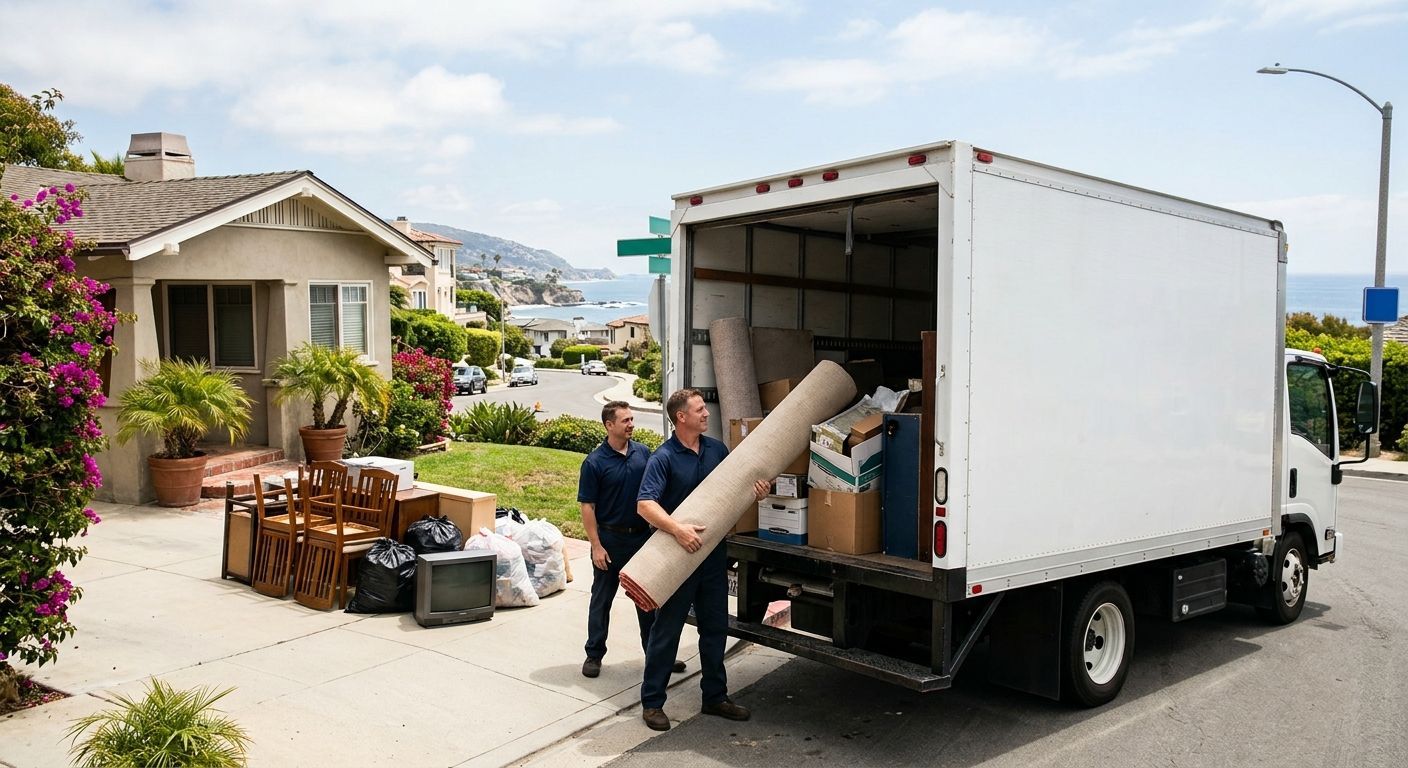
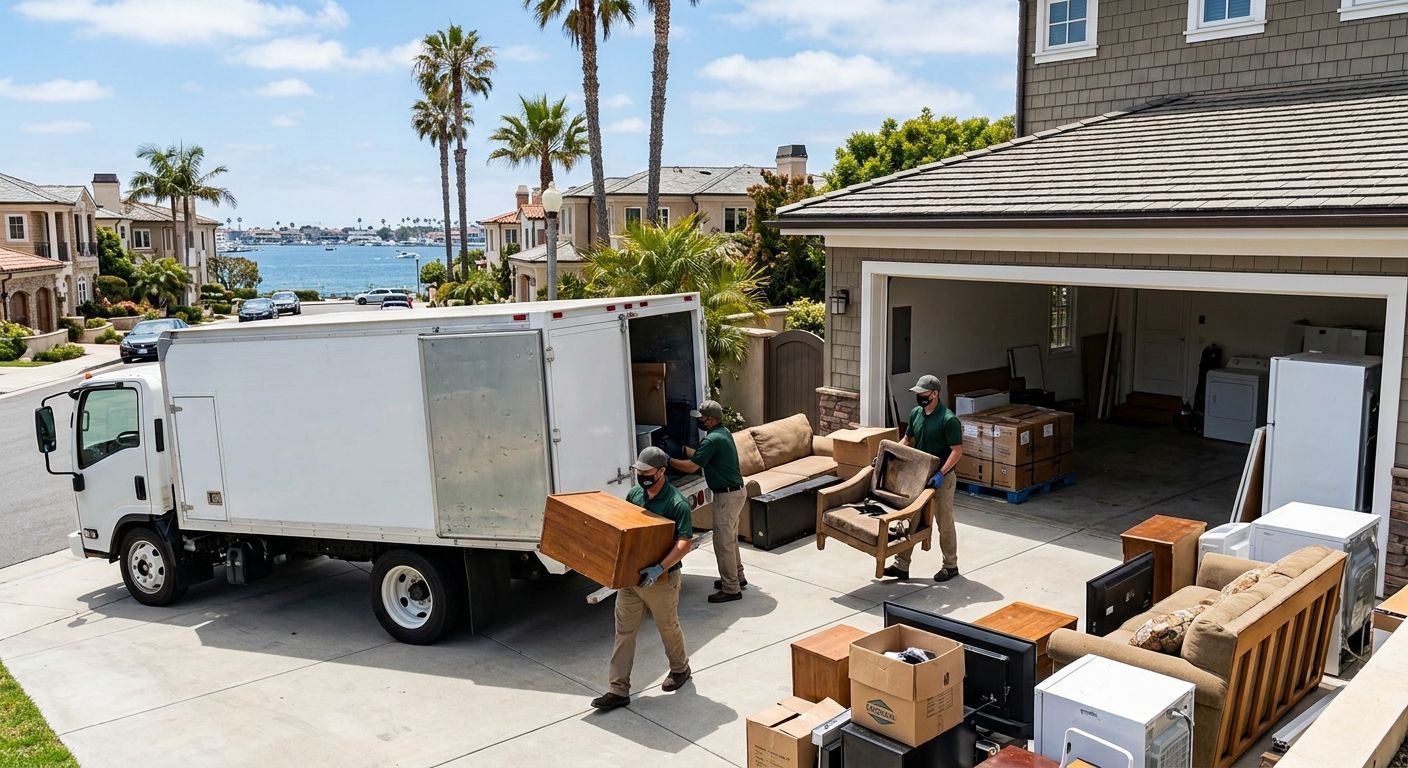
junk removal services, as opposed to renting a trash can and doing it yourself. What really helps is production: pulling scattered items into one or two central spots rather than leaving them spread over cabinets, an attic, and a spill. Crews' price and schedule are based on volume and access, not on how many rooms they have to walk through, but walking through five rooms to gather ten items instead of finding them in one pile is where appointments run long and follow-up trips get scheduled.
Building a Junk Removal Preparation Checklist for Residential Cleanouts
A short walkthrough the day before, not the morning of, catches most of the surprises that slow
junk removal services down. Here's a
junk removal preparation checklist that covers what actually matters:
- Separate hazardous items first
Paint cans, propane tanks, car batteries, pesticides, and old cleaning chemicals need to be identified and set aside most crews cannot legally load these with general debris. - Pull donatable items into their own pile
Furniture, items that are still functioning and building materials that are still in good condition should be considered for a second look before being sent on the truck. - Empty drawers, cabinets, and dressers
Furniture that is loaded will be heavier, harder to move and may be damaged when moving through doorways. - Make way for the truck.
Rotate bicycles, planters or parked vehicles from between items and the driveway. - If you are not sure about it, take a photo of it.
A very handy photo sent in advance to the company allows the company to confirm pricing and whether an item requires special handling before the crew is standing in front of it. - Confirm access details
Gate codes, stairs, elevators, or HOA rules about curb placement should be mentioned when you book, not discovered on arrival. - Set aside anything staying behind, clearly
A sticky note on a chair you are keeping saves a five-minute conversation with the crew about what's actually leaving.
Tips for a Smooth Junk Removal Service: Mistakes That Add Time
A lot of homeowners make the mistake of thinking of the time they have for junk removal services as the deadline to get it sorted, instead of the deadline to have it already sorted. When the truck comes in, homeowners are often pulling things out of closets, and standing around time often gets billed, and there's rarely a loading time when the crew is standing around.
Things to Consider Before Full-Service Junk Removal
- Item condition matters for donation eligibility, not just landfill diversion
Torn upholstery, water-damaged particleboard, and anything with pet or smoke exposure generally can't be donated even if it's structurally intact that is not a junk removal company's call, it's the receiving donation center's policy, and it affects where an item ends up. - Weight limits apply to manual lifting, not just truck capacity
OSHA’s ergonomic lifting guidance recommends keeping loads close to the body and within the "power zone" between mid-thigh and shoulder height which is part of why a two-person crew, not one person and a homeowner, handles anything large or awkward rather than trying to muscle it out alone. - Same-day and next-day scheduling is not universal
Availability shifts with the season spring cleanout requests and end of lease moves both spike demand in the same few weeks, so booking a couple of days ahead gives more flexibility on time slots when reserving junk removal services. - Not everything with a plug is treated the same
Small electronics often need separate e-waste handling rather than standard disposal, so a box of old chargers and a broken microwave shouldn't necessarily go in the same pile as items accepted by junk removal companies. - Curb placement rules vary by city and HOA
Some municipalities restrict what can sit at the curb overnight, which matters if a crew's arrival window shifts and items end up waiting outside longer than planned.
What Happens During a Junk Removal Appointment? Common Questions
Something we hear constantly during booking calls for junk removal services what actually happens during a junk removal appointment, start to finish? In most cases, the crew arrives within the scheduled window, walks the space with you to confirm what's leaving, gives a final price on the spot, and loads directly no separate pickup after quoting.
What are the steps to preparing the trash for its collection?
Sort items into different, distinct piles of trash, donation and hazardous waste, instead of mixing them all. The faster the cops go, the less time they spend figuring out what something is.
Should you relocate items before the junk removal service?
No. The lifting and carrying is done by full-service crews. Staging items in a convenient position and marking anything that requires special attention such as appliances containing refrigerants or hazardous chemicals is your job.
How can you make your junk removal service appointment go smoothly on larger junk collections?
Divide the house into zones and do one at a time. If you've sorted the night before and your garage is clear and ready to go, it will be picked up much quicker than a house where lots of sorting is still going on in various rooms.
Can junk removal services take things with hazardous materials?
Generally no, unless other arrangements are made. Paint, chemicals and similar materials usually must be handled through a local household hazardous waste program instead of regular junk pickup, and letting the company know about these items in advance allows it to tell you what it can and can't take before the truck arrives.
Is there anything I should photograph before booking?
Anything oversized, built-in, or unusual a hot tub, a shed full of scrap wood or a piano is worth a photo sent ahead of time. It gets you a more accurate quote and avoids a surprise reassessment on-site.
Make Your Junk Removal Appointment Easier
Householders who get the most out of junk removal services are not the ones with the lowest stuff they are the ones who sorted before the truck arrived instead of during. Separate what's hazardous, set aside what's donatable, clear the path, and say so upfront if access is tricky. That's the whole preparation process. Everything else is the crew's job, and a company that handles junk removal services regularly can usually tell within a few minutes of walking a space whether a job will run long, simply from how it's staged.
Professional Junk Removal You Can Count On
Planet Haulers Junk Removal handles residential cleanouts across the region, from single-item pickups to full garage and estate clearouts, and can walk through access, timing, or hazardous-item questions before your appointment is even scheduled. Contact Planet Haulers Junk Removal at 949-386-9808 or email office@planethaulers.com to talk through your specific job. A quick conversation before booking usually saves more time than any amount of last-minute sorting on pickup day.
Sources
- U.S. Environmental Protection Agency (EPA)
— Household Hazardous Waste (HHW)
Provides official guidance on identifying, storing, and safely disposing of household hazardous waste such as paint, pesticides, batteries, and cleaning chemicals. - Habitat for Humanity ReStore
— Should I Donate This to the Habitat ReStore?
Explains which furniture, appliances, building materials, and household items are accepted for donation and which items cannot be donated. - Occupational Safety and Health Administration (OSHA)
— Materials Handling: Heavy Lifting Guidelines
Offers workplace safety recommendations for lifting, carrying, and moving heavy materials to help reduce the risk of injuries during manual handling.
You might also like