What Items Do Junk Removal Companies Take? A Complete Homeowner's List
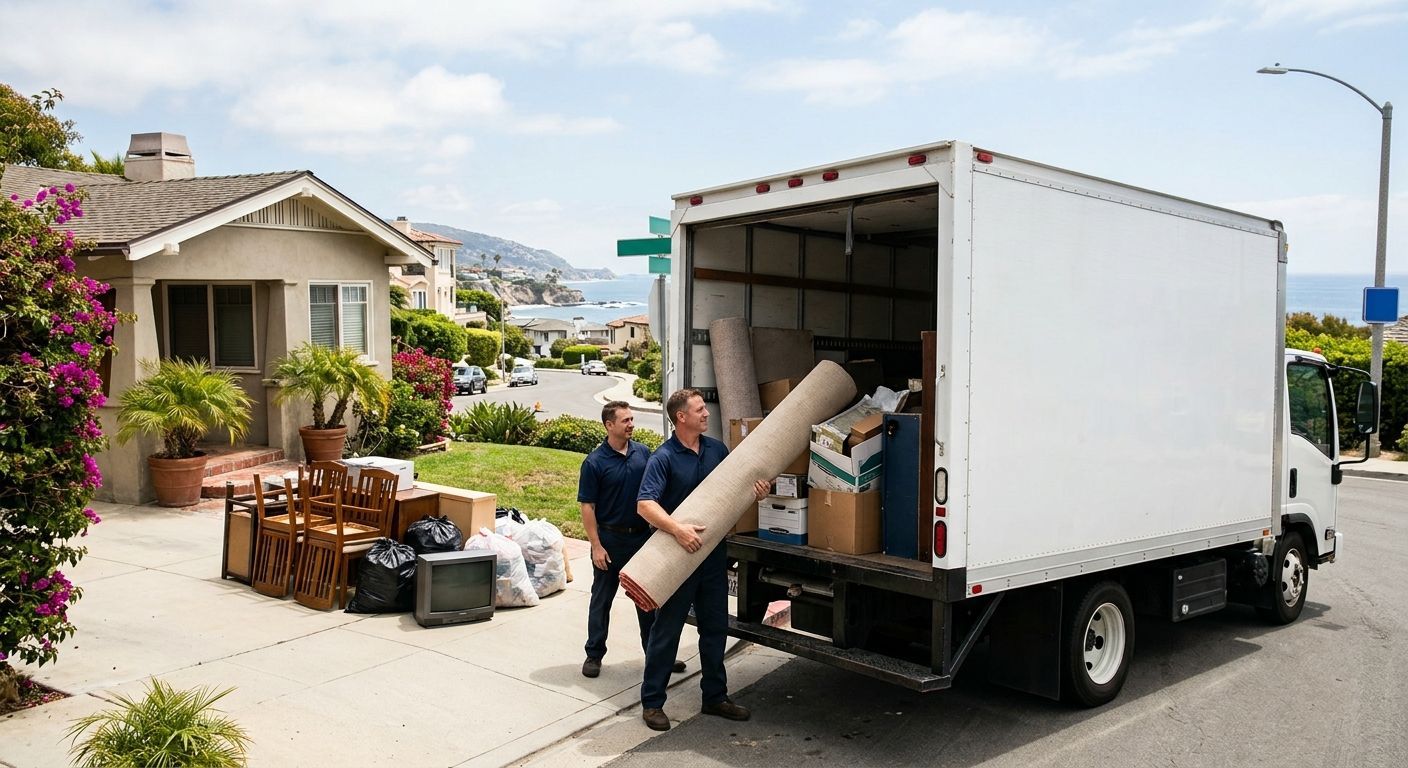
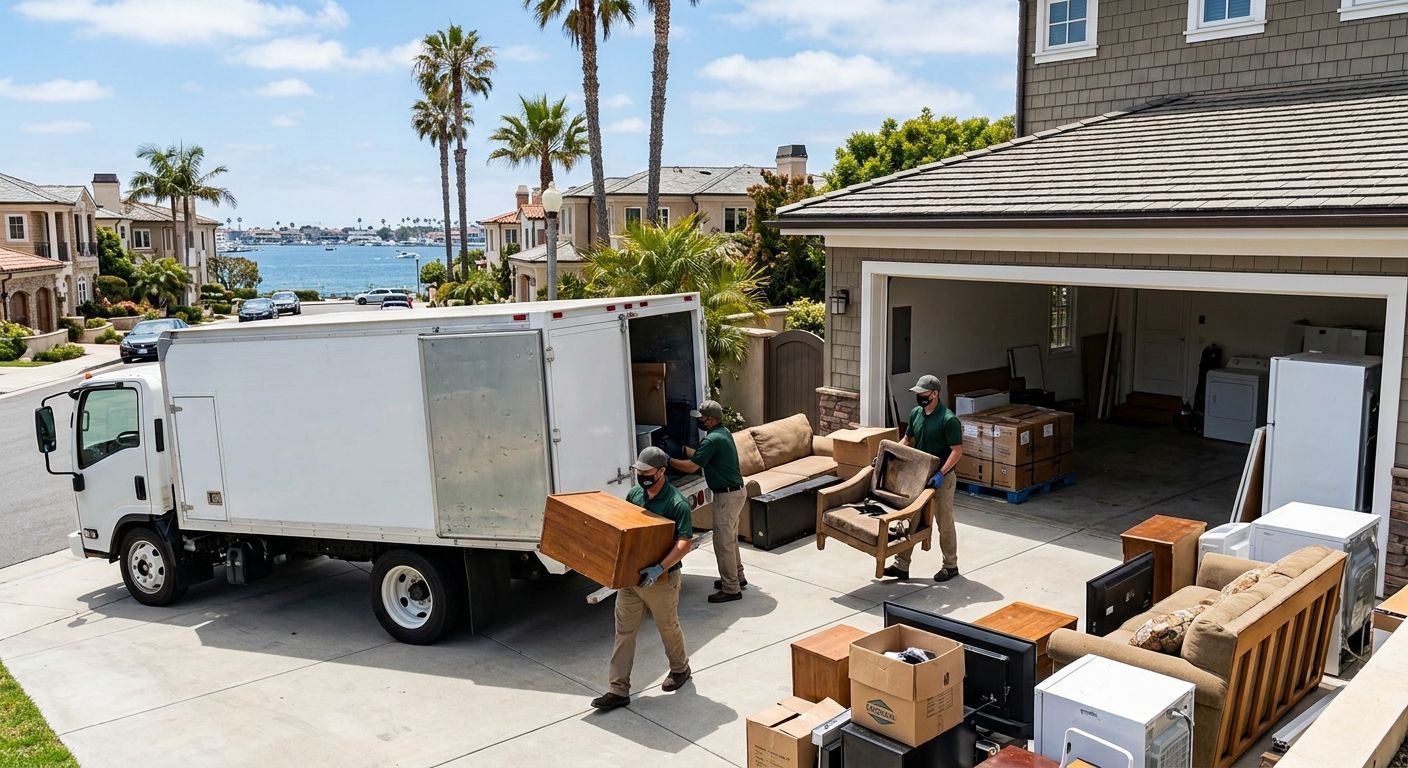
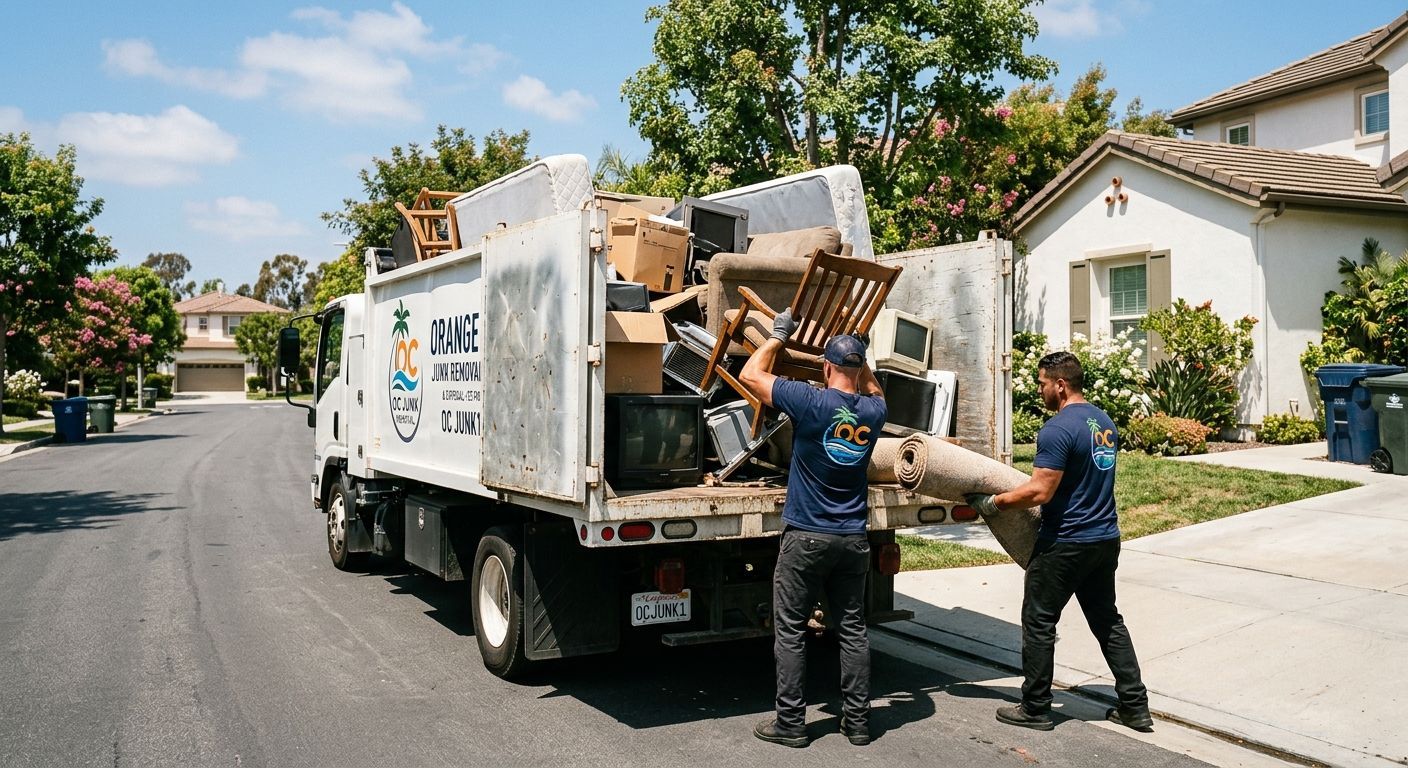
Many junk removal services will keep about everything that is not hazardous, biohazardous, or categorized as regulated waste. That covers furniture, appliances, electronics, yard debris, building refuse, and common domestic clutter. The gray locales are what make people up. Beds, paint cans, propane tanks, and old tube TVs all have their own regulations relying on the haulier and the local removal expertise so it pays to know the difference until a truck displays up.
That's really the heart of it. Junk removal services are not built around a single category of stuff. They're built around a set of overlapping rules about weight, material, and where the item legally has to go once it leaves your driveway. A worn-out recliner and a bucket of half-used deck stain both count as "junk" to a homeowner, but they take completely different paths out of your house. This guide walks through what residential junk removal crews typically haul, what they can't, how they sort it once it's loaded, and how to get a pickup ready so nothing gets left behind on pickup day.
This guide explains what a typical crew usually packs, what rarely gets packed, and how to prepare a load so nothing is turned away at the curb. Per guidance from the U.S. Environmental Protection Agency, household items containing refrigerants, mercury or lead-acid components need to be handled via separate channels from ordinary solid waste. That’s the source of much of the confusion below.
A lot of that confusion also comes from donation logic bleeding into disposal logic.
Habitat for Humanity ReStore, for example, will take gently used furniture and building materials, but a junk removal services crew is subject to different liability rules than a donation center. They’re hauling to a transfer station or landfill, not a resale floor, so their accepted-item list is shaped by what a facility will accept at the gate.
The Line Between "Junk" and "Regulated Waste"
The greatest section in whether existence is received charged onto a truck is whether it is categorized as domestic junk or as regulated waste. Everyday junk is non-hazardous and can go into a standard municipal solid waste stream or a recycling and donation channel. Regulated waste is different. Paint, motor oil, pesticides, batteries, and anything flammable or corrosive have to go through a separate management and disposal procedure, often at a committed household hazardous waste facility, because they can not legally be dumped or landfilled the way a broken couch can.
Most full-service junk removal companies are built around the first category. A crew can walk into a garage, look at a stack of moving boxes, an old washer, and a dozen paint cans, and immediately know two of those three items are getting loaded straight onto the truck. The paint cans need a different answer, usually either drop-off at a hazardous waste collection event or, if they're fully dried out, disposal as solid waste. Rely on local rules.
This is where a lot of homeowners get surprised mid-appointment. If you are wondering
what can junk removal companies remove, a standard grill is usually no problem. However, if you're clearing out a garage before a move and also have a rusted propane tank sitting next to it, the answer changes. The grill goes, but the tank, in most cases, doesn't unless the crew has a specific process for handling pressurized cylinders.
What Full-Service Junk Removal Companies Actually Take
Removal industry counsel from various local waste administration rates that around 90 percent of what residential bands bring in sinks into one or two of the routine types: furniture, equipment, general clutter and yard waste. The table below shows what is generally accepted, what usually demands singular management and why, and it is the quickest way to know what any given junk removal service will and will not take until you pick up the phone.
The body content of your post goes here. To edit this text, click on it and delete this default text and start typing your own or paste your own from a different source.
| Category | Typically Accepted | Handling Notes |
|---|---|---|
| Furniture (sofas, mattresses, dressers) | Yes | Mattresses often require a separate disposal fee due to state landfill bans in some regions; furniture with bed bugs may be refused |
| Appliances (fridges, washers, dryers) | Yes | Refrigerators and AC units contain refrigerant that must be recovered under EPA rules before scrapping |
| Electronics (TVs, computers, monitors) | Usually | Many states restrict e-waste from landfills; CRT tube TVs often carry an extra fee due to leaded glass |
| Yard debris (branches, soil, sod) | Yes, with limits | Weight-based pricing kicks in fast here; wet soil is heavier than it looks |
| Construction debris (drywall, wood, tile) | Yes, usually | Concrete and brick may be priced separately due to weight |
| Household clutter (boxes, toys, clothing) | Yes | Usable items are frequently diverted to donation instead of landfill |
| Hot tubs, pianos, gun safes | Case by case | Often requires extra crew members or disassembly; call ahead |
| Paint, chemicals, batteries, propane | No | Regulated hazardous waste; must go to a certified HHW facility |
A few of these deserve more explanation than a table row can give. Mattresses, for instance, are not hazardous, but several states now have landfill diversion requirements that push them into recycling programs specifically for foam and springs. That is why some junk removal services charge a little more for a mattress than for an identically sized section of furniture. Refrigerators and window AC units deliver refrigerant that has to be legally reclaimed before the unit is discarded for steel, and that renewal step is a real cost, not included on the account.
What junk removal companies won't take"
There is a fairly consistent list of things that residential crews turn down, and it is worth knowing before you schedule. Assuming everything is fair game is the most common reason a pickup runs into trouble on-site. That includes wet paint, gasoline, motor oil, pesticides, and other flammable or corrosive liquids. These are considered household hazardous waste and typically need to go to a county collection event or household hazardous waste (HHW) facility instead of a junk removal truck . Fireproof containing material is a hard no with almost every hauler, because it needs to be removed by licensed abatement, not by a general labor crew.
Medical waste, including sharps and anything biohazardous, falls outside what a standard junk removal service is permitted to handle. Tires are a strange middle case. Some companies take a handful for an added fee because tire disposal is regulated and priced per unit at the recycling facility, while others decline them outright. Ammunition, fireworks, and other explosive materials are refused everywhere, for reasons that don't need much explaining.
How Junk Removal Works | Step by Step
- Call or request a quote: Describe what you're getting rid of in as much detail as you can. Photos help more than a phone description ever will.
- Get a scope, not just a number: A reputable junk removal company will ask about access, item count, and whether anything falls into a special-handling category before quoting a price.
- Confirm the appointment window: Most residential junk removal runs on a two to four-hour arrival window rather than an exact time, similar to how appliance delivery or cable installs are scheduled.
- Walk the crew through the pile: On arrival, point out everything, including anything you are unsure about. This is the moment to flag paint cans or anything questionable, not after the truck is loaded.
- Get a final, confirmed price before loading begins: This should match or come close to the original estimate. If it is dramatically different, ask why before agreeing.
- Watch the load-out: A crew that separates usable furniture and electronics for donation, rather than tossing everything into one pile, is generally handling disposal more responsibly.
- Get a receipt or confirmation: For larger jobs, especially anything tied to an estate cleanout or a move, this matters for your own records.
Mistakes to Avoid Before a Junk Removal Pickup
The most frequent one is assuming a flat "per truckload" quote covers everything, including items that carry a separate handling fee. Mattresses, tube TVs, and tires are the usual culprits. They're accepted, but not always folded into a base price the way a stack of cardboard boxes would be. Ask specifically whether any of your items fall into that category when getting a quote from a junk removal service , not after the crew has already started loading.
An additional common blunder is not
preparing items for junk removal until the appointment. If a householder tells a band, "Just take everything in the garage," unless specifying the bracket of old sketch bins or a tank of gasoline, the band quite has to stop, evaluate the condition, and expect to leave those hazardous materials behind.
That holdup slows down the whole job. Allowing five minutes to prepare items for junk removal and walking through your space before the appointment saves everyone time and helps the pickup go more smoothly. Most
junk removal companies price by volume, meaning how much space a load takes up in the truck, rather than strictly by weight. But heavy individual items like concrete pavers, filing cabinets full of paper, or wet yard debris can push a job into a different pricing tier even when the pile looks modest.
Things to Consider Before Scheduling a Pickup
Item condition matters for donation routing:
Furniture and electronics in working
, gently used condition are often diverted to local donation centers instead of a landfill. If that matters to you, ask upfront whether the
junk removal service partners with any donation organizations.
Weight-based items add up fast:
Concrete, soil, tile, and packed filing cabinets are deceptively heavy. If your job leans heavily toward this kind of debris, expect pricing closer to a construction debris removal quote than a standard
furniture and appliance removal job.
Access and stairs change the labor cost:
Be upfront about where items are located in your home. A basement or upper-floor pickup takes longer and may carry an access fee that a curbside pickup wouldn't.
Junk Removal Services FAQs
What "household items junk removal accepts", including appliances?
Yes, many
residential junk removal
services take main appliances, containing refrigerators and window AC units. These usually require refrigerant recovery before disposal, which is why they are sometimes priced higher than furniture of the same size.
What type of waste can be taken away from the garage sale by a waste removal company?
Items such as furniture, tools, sporting goods, boxes, and miscellaneous storage are commonplace. Chemicals, paint, and pressurized tanks are generally stored separately and are not covered by the junk disposal rules; they are subject to hazardous waste rules.
Is there any opportunity to move furniture and appliances on the same appointment?
Yes, this is one of the most frequently occurring residential jobs that junk removal services would take care of. Both can usually be dealt with by a single crew and truck in one trip and they are frequently more efficient if both are scheduled together than if they are scheduled separately.
Do construction waste removal companies pick up construction debris?
Many do, but typically not by the volume, where materials such as concrete, brick, and drywall are priced. When getting a quote, it is important to mention the material type to get a correct estimate.
What items do junk removal companies won't take that people commonly try to schedule anyway?
Paint, motor oil, pesticides, asbestos material, and medical waste are the most frequent refusals. These require certified hazardous waste handling that falls outside what a standard
junk removal service and crew training covers.
Expert Tips for a Smooth Junk Removal Experience
The pickups that go smoothly almost always share the same pattern. The homeowner did a quick sort beforehand, flagged anything questionable when booking, and gave an honest description of access and item count. The ones that run into trouble are usually the opposite: a vague "just come take a look" appointment where hazardous items surface mid-job, or the pile turns out to be twice the size described over the phone. A little upfront clarity, even just a few photos sent ahead of time, tends to produce a more accurate quote and a faster appointment from any junk removal company you choose.
Get Reliable Help With Your Junk Removal Project
Planet Haulers Junk Removal handles full-service residential junk removal , from single-item furniture and appliance pickups to complete garage, estate, and construction debris cleanouts, with crews trained to sort donation-eligible items separately from standard disposal. Contact Planet Haulers Junk Removal at 949-386-9808 or email office@planethaulers.com to discuss your specific needs. A team that walks your space with you before quoting, rather than guessing over the phone, is generally the one worth booking.
Sources
- U.S. Environmental Protection Agency — Recycling and Household Hazardous Waste Guidance.
- Habitat for Humanity ReStore — Donation and Accepted Items Guidelines.
- CalRecycle (California Department of Resources Recycling and Recovery) — Household Hazardous Waste Disposal Rules.
You might also like